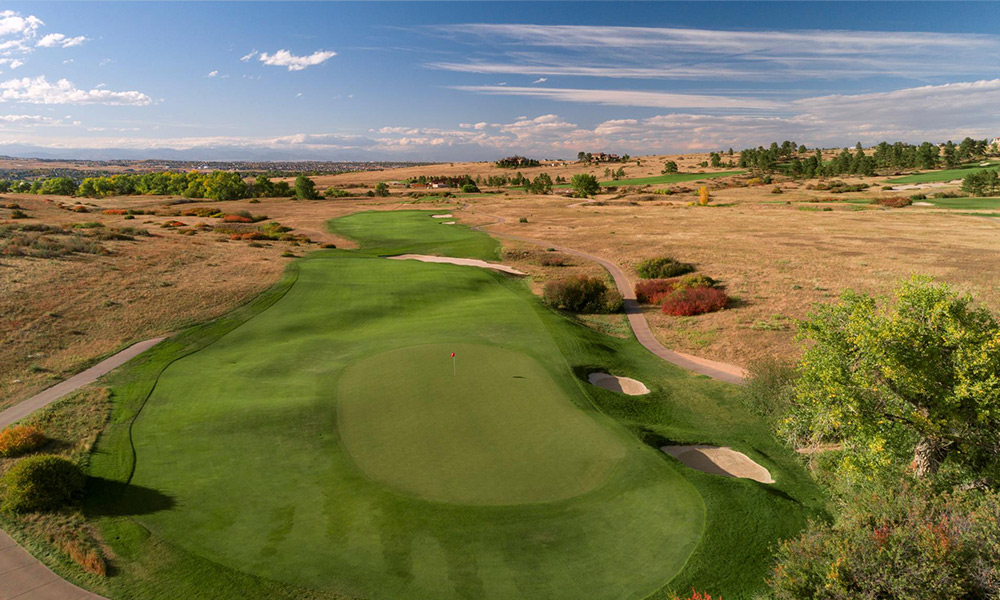
Golfers talk endlessly about design, strategy, and history. But ask anyone who plays Colorado Golf Club, and they’ll tell you the same thing: the course feels alive. That feeling doesn’t come by accident. It’s the result of careful planning by architects Bill Coore and Ben Crenshaw, paired with the daily attention of Steve Eller, Head Greenskeeper at Colorado Golf Club, who has transformed rugged ranch land into one of the country’s premier championship venues.
As you consider what makes a great course—whether you’re a golfer or a greenskeeper—Colorado Golf Club offers a lesson in the art of balancing design intent with practical maintenance.
From Ranch Land to Championship Course
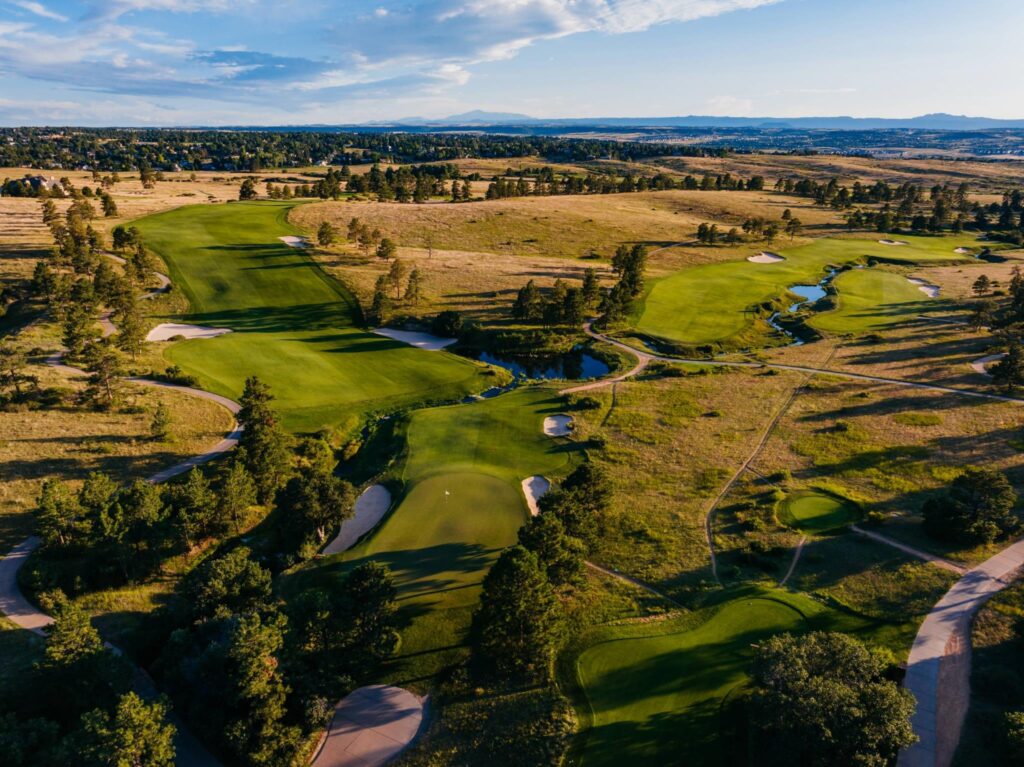
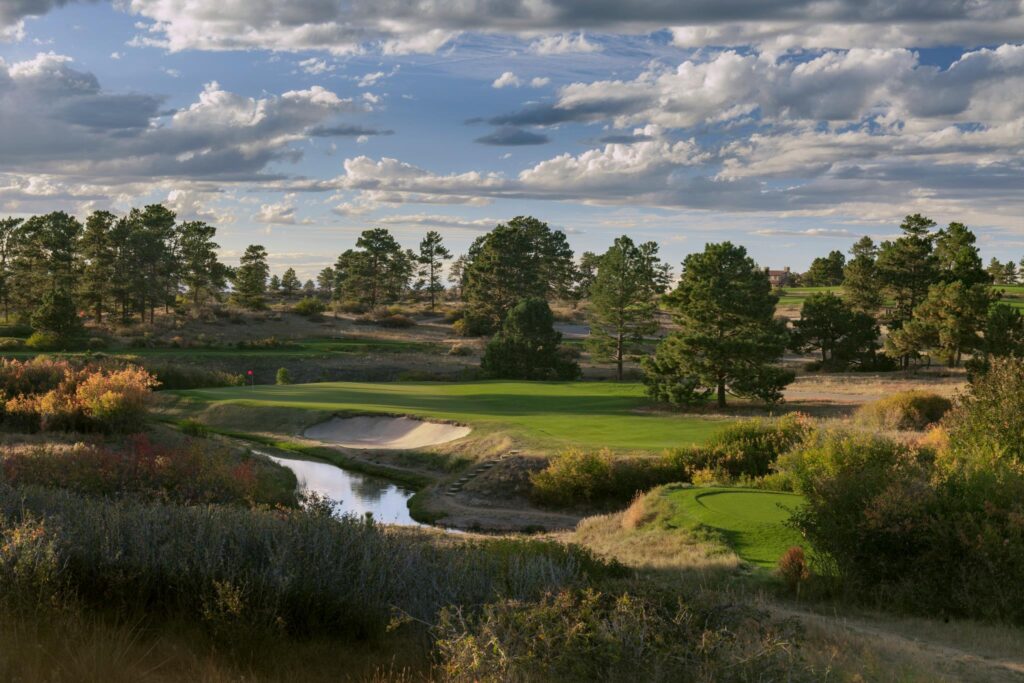
When the club opened in 2007, it was more than just a new course. Built on the former Bett’s Ranch outside Parker, Colorado, the 1,700-acre property was a blank canvas. Coore and Crenshaw routed 18 holes through ponderosa forests, open meadows, and rocky barrancas. The result is a layout that looks like it was discovered, not manufactured.
But designing a course is one thing. Preserving that vision year after year is another. This is where Steve Eller becomes the central figure. At Colorado Golf Club, Eller is not just a caretaker but a partner in shaping how players experience the property.
Think of the 2010 Senior PGA Championship, the 2013 Solheim Cup, or the 2019 U.S. Mid-Amateur—all staged here. The course didn’t just happen to be tournament-ready. It took months of preparation, with Eller and his crew managing water use, mowing lines, bunker edges, and green speeds to meet the standards of professionals without losing the playability members expect on Monday morning.
What Greenskeepers Can Learn from Colorado Golf Club
1. Respecting the Land
Greenskeepers know that no two courses are alike. At Colorado Golf Club, this principle is at the core of daily operations. Instead of imposing uniform practices, Steve Eller and his team work with the land’s natural contours and soil conditions.
Water management, for example, is critical in Colorado’s semi-arid climate. Eller relies on precise irrigation scheduling and drought-tolerant turf selections to maintain healthy playing surfaces. For you, whether you’re working in the Rockies, the Midwest, or the Southeast, the takeaway is to align your agronomic practices with your specific environment, not a generic standard.
2. Balancing Member Play with Tournament Demands
Hosting major events means preparing for two very different audiences: the elite professionals who require firm and fast conditions, and the everyday members who want fairness and enjoyment.
The Head Greenskeeper’s role is to find that balance. At Colorado Golf Club, Eller might adjust rough heights ahead of a championship or rethink pin placements to protect certain areas of the greens. As a greenskeeper, you’re always navigating this same balancing act. Do you prepare the course for the single-digit handicapper who loves the back tees, or the senior group that values pace of play? Colorado Golf Club proves you can serve both—if you plan ahead and communicate expectations clearly.
3. Building Resilience Through Community
In 2010, Colorado Golf Club faced financial struggles that nearly closed its doors. Thirty investors and 60 members stepped in to form the “Legacy Group,” raising more than $10 million to stabilize operations. This community-driven effort didn’t just save the club; it redefined it.
Greenskeepers often feel the pressure of being invisible until something goes wrong. But this story shows the importance of being visible and engaged with members. Are you taking time to explain why you aerate greens? Do members understand the long-term benefits of new drainage or bunker projects? By building trust, you create a stronger bond between the course’s financial health and your maintenance team’s work.

Golf in Colorado: A Legacy of Greenskeepers and Strategy
Colorado Golf Club doesn’t exist in isolation. The state has a proud golf history stretching back to the 1890s, with Overland Park Golf Course and Patty Jewett Golf Course still welcoming players today. Legendary figures like Donald Ross left their mark on The Broadmoor and Wellshire, while events like Arnold Palmer’s 1960 U.S. Open win at Cherry Hills cemented Colorado as a stage for golf history.
Behind each of these milestones was a greenskeeper. Ross’s designs only endure because greenskeepers maintained them for over a century. Palmer’s comeback was possible because Cherry Hills’ crew prepared the course to test the best. And at Colorado Golf Club, Steve Eller carries that legacy forward.
For those of you working in the profession, it’s a reminder that your role isn’t just about mowing grass or spraying fairways. You’re shaping history every day you step onto the course.
Lessons for Today’s Greenskeeper
So what practical lessons can you take from Colorado Golf Club to your own property?
- Understand Your Site First
Before making changes, spend time studying the land. Colorado Golf Club’s success comes from respecting its natural features, not reshaping them into something else. - Communicate With Your Community
Members want to understand why you do what you do. When the Legacy Group saved the club, they weren’t just investing in land—they were investing in Steve Eller’s ability to steward it. - Plan for Dual Audiences
Whether it’s a major event or the weekend foursome, the best greenskeepers know how to deliver experiences for different types of players. - Invest in the Future
Colorado Golf Club has continually updated its facilities, from adding pickleball courts to improving its driving range. For you, that might mean reevaluating bunker sand, updating irrigation systems, or experimenting with new turf varieties. - Remember the Bigger Picture
Golf is more than a game. The Colorado Golf Club supports caddie programs, the Evans Scholars Foundation, and the National Women’s Golf Association. As a greenskeeper, think about how your work supports not just the course but the broader community of golf.
Why It Matters to You
You may never prepare a course for the Solheim Cup. You may not manage a 1,700-acre property in the Rocky Mountain foothills. But the lessons from Steve Eller at Colorado Golf Club apply to you just the same. Every greenskeeper faces the challenge of maintaining tradition while embracing change, respecting the land while serving players, and protecting the game while preparing for its future.
The next time you step onto your fairways, ask yourself: how will my decisions today shape how golfers experience this course tomorrow? Are you building something that will last for generations, the way Colorado Golf Club has in less than two decades?
Your work as a greenskeeper is more than daily tasks. It’s the living record of the game. And like the wildflowers that give Colorado Golf Club its logo, your course should reflect its own place in the world—authentic, resilient, and unmistakably unique.