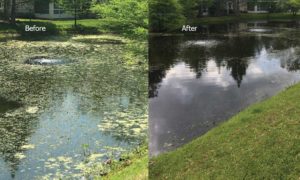
A Beautiful Course Begins Below the Surface
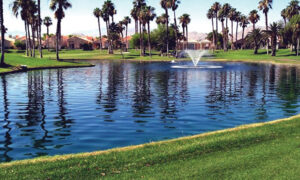
Golf course lakes add elegance, tranquility, and value to any course. They reflect lush greens, provide visual interest, and serve as natural water sources. But beneath their calm surface, a silent problem can grow—one that threatens both aesthetics and functionality: sediment buildup from lawn maintenance.
Grass Clippings and Their Unseen Impact
Every day, grounds crews work to maintain flawless fairways and greens. But what often goes unnoticed is where those lawn clippings and trimmed debris end up. When blown or washed into nearby lakes and ponds, they begin to break down and settle at the bottom.
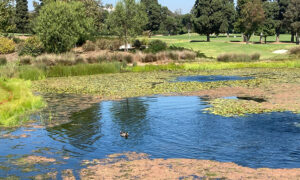
Over time, this organic matter accumulates, creating a thick layer of sediment. While this process may be invisible to the eye at first, its effects are anything but harmless. That “invisible” muck becomes a breeding ground for bacteria, consumes oxygen, and disrupts the ecological balance of the lake.
When Sediment Turns to Stench
As this buildup grows, oxygen levels in the water decline. Bacteria begin to decompose the organic matter anaerobically, producing gases like hydrogen sulfide. The result? A strong, unpleasant odor—often described as a “rotten egg” smell—that can waft across nearby holes and facilities.
This shift turns a once-pristine water feature into a maintenance nightmare. Algae blooms become more frequent. Fish populations may suffer. And visitors and members may take notice—not of the water’s beauty, but of its smell.
Prevention Over Cure
The good news is that this scenario is entirely preventable. Routine lake maintenance is the most effective way to stop sediment issues before they start. Regular inspections, sediment level monitoring, and proactive treatments can significantly extend the life and health of a water feature.
Crews should also be trained to direct clippings away from lakes. Installing vegetative buffers or barriers can help trap organic material before it reaches the water. In-lake treatments using biological solutions can safely accelerate the breakdown of organic matter, reducing the need for more extreme interventions like dredging.
Aeration and Equipment Matter
Maintaining functional aeration systems is another vital step. These systems keep oxygen circulating, which not only supports aquatic life but also reduces the conditions that produce odor. Scheduling periodic checks and cleanings ensures these systems continue operating effectively, especially during the warmer months when decomposition is fastest.
A Smart Investment for Long-Term Beauty
Lakes are more than just decorative features—they’re living systems that require attention. Ignoring them invites costly problems that can affect everything from course reputation to player experience.
By prioritizing consistent, thoughtful lake maintenance, golf course managers can preserve both beauty and balance. After all, it’s far easier to maintain a healthy lake than to reverse the damage once the smell arrives.
Patrick Simmsgeiger is President of Diversified Waterscapes and a Certified Lake Manager. Patrick can be reached at contactus@dwiwater.com.