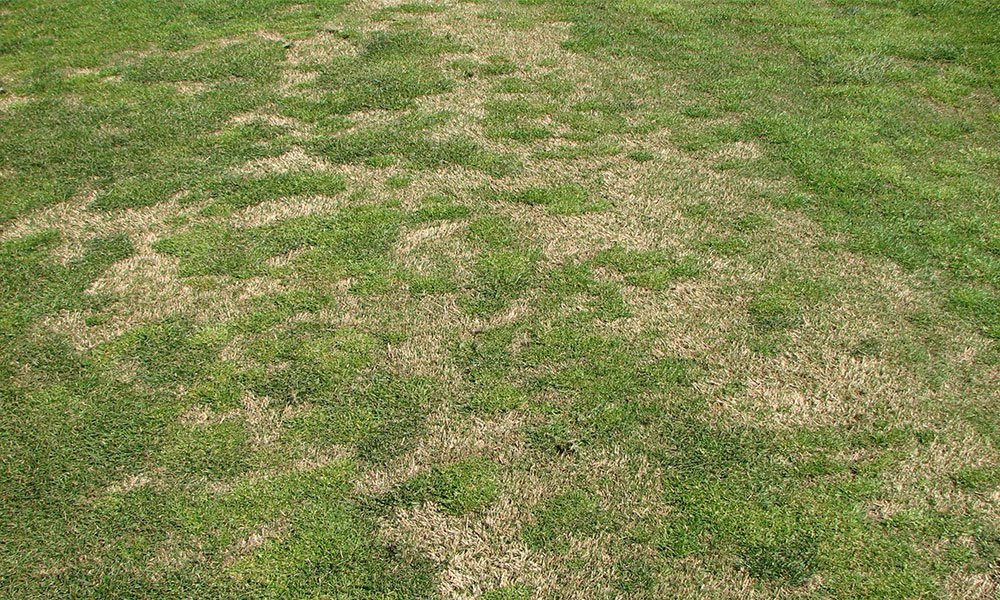
Golf course superintendents across Tennessee and the surrounding region are preparing for a significant winter weather event, and new guidance from the University of Tennessee Turf Team suggests prolonged cold temperatures—not ice encasement—pose the greatest threat to turfgrass health.
In advance of the storm, Jim Brosnan, Ph.D., professor at the University of Tennessee and director of the UT Weed Diagnostics Center, consulted with Michelle Dacosta, Ph.D., of the University of Massachusetts, widely regarded as a leading expert on turfgrass response to ice damage.
Their discussion focused on how golf courses can best prepare for the combination of freezing rain, ice, and sustained low temperatures forecasted for the coming days.
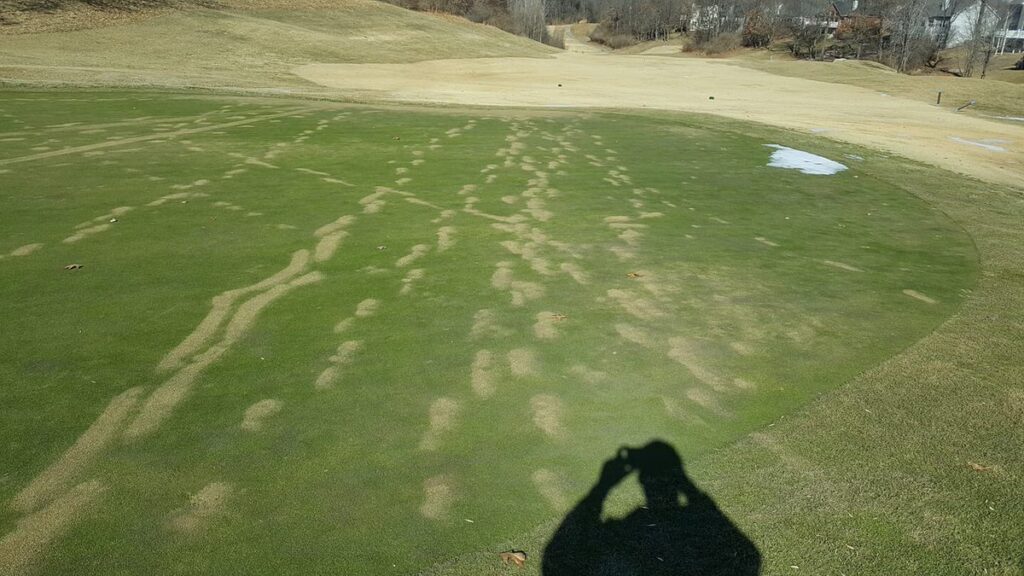
https://riversidegolflinks.com/frost-and-its-effects-on-bentgrass-greens/
Bentgrass Greens
According to Brosnan, the risk of ice-related injury to creeping bentgrass greens is low. Research indicates bentgrass typically requires more than 60 days of ice encasement before significant damage occurs, largely due to oxygen deprivation (anoxia). Current forecasts do not suggest ice coverage of that duration.
Poa annua Within Bentgrass Greens
Poa annua presents a more variable risk. Oxygen depletion can occur in as little as 14 days under ice, though that scenario remains unlikely with this storm. A larger concern is incomplete cold acclimation following a relatively warm fall and early winter.
When Poa plants are not fully hardened, crown and leaf tissues retain higher water content and less natural antifreeze. If ice events coincide with extreme low temperatures—particularly below 10°F—the potential for crown damage increases. Injury risk is typically higher in low-lying and shaded areas, where Poa populations are most prevalent.
If ice encasement does occur and melts rapidly, removing excess surface moisture may help limit additional damage from freeze-thaw cycles.
Bermudagrass (Non-Covered Areas)
Non-covered bermudagrass surfaces, including fairways and tees, are considered the most vulnerable heading into the storm.
Ice encasement is not expected to be a major issue; instead, injury risk is driven primarily by direct exposure to low temperatures. Brosnan noted that commonly used Tifway 419 bermudagrass has an estimated lethal temperature of approximately 19°F, while Tahoma 31, among the most cold-tolerant commercially available cultivars, has a lethal threshold near 16°F. These values are general guidelines and are especially relevant when turf is not fully acclimated.
Forecasted overnight lows below these thresholds increase the likelihood of crown and rhizome injury, particularly with prolonged exposure. Rapid freezing and thawing can further stress bermudagrass tissues, and there are limited mitigation options at fairway scale.
Snow cover of at least three inches can provide meaningful insulation against cold injury. In areas with a history of winterkill, protective measures such as turf covers or straw are recommended, especially if precipitation falls as freezing rain or ice rather than snow.
Diagnostic Preparation
Superintendents are encouraged to pull and store turf core samples from greens, tees, and fairways prior to the storm. Comparing pre- and post-storm samples can provide early insight into injury development and help attribute damage to this specific weather event rather than other factors.
Key Takeaway
The primary concern associated with the upcoming storm is prolonged exposure to cold temperatures. Where feasible, interventions that reduce cold stress are advised.
Additional information on bermudagrass winter injury management is available in a recently published winterkill guide (DOI: 10.1002/cft2.20302), which outlines risk factors and recovery considerations for both putting greens and higher-mown turf.