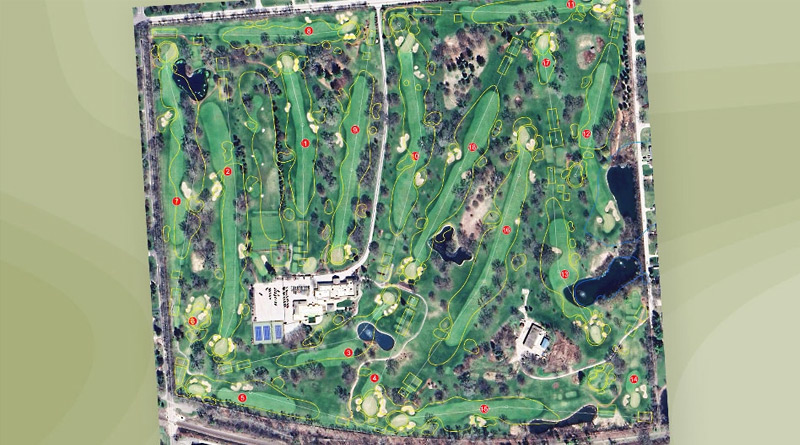
Aurora Country Club (Illinois), with roots dating back to 1914 and originally designed by Tom Bendelow, has enlisted ASGCA-member Raymond Hearn to lead a master plan for restoring and renovating its historic golf course.
The original nine-hole layout (1914) expanded to 18 holes in 1915—with possible input from William Langford—and received enhancements by A.W. Tillinghast in 1935.
Hearn described the effort as a “sympathetic restoration”—a thoughtful approach that honors the club’s Golden Age design while updating it for today’s players and maintenance standards. He will work closely with the club’s master planning committee, which includes PGA head professional Curtis Malm and longtime superintendent John Gurke.
Upon master plan approval, Hearn will help guide the club through phased construction, aligned with member expectations and timelines.
Tom Cross, chair of the Master Plan Committee, emphasized, “This thoughtful, member-driven process ensures our course remains among the region’s finest for generations—and underscores our commitment to investing in world-class expertise”.
John Gurke praised Hearn’s deep respect for the club’s design heritage, rooted in the work of Bendelow, Langford, and Tillinghast, and welcomed his guidance in leading Aurora into the future.
Summary of Key Highlights
- Historic Legacy: Aurora’s course was built in 1914 (Bendelow), expanded in 1915 (possibly Langford), with 1935 enhancements by Tillinghast.
- Architect Selected: Raymond Hearn, ASGCA, brings extensive experience in restoring Golden Age courses.
- Design Approach: Aims for “sympathetic restoration”—balancing historical character with present-day performance and maintenance.
- Collaborative Process: Involvement of club staff and members, with phased implementation after plan approval.
- Future-Focused: Ensuring the course remains a regional cornerstone, respecting tradition while evolving.